People. Always the last piece of the puzzle.

“You can be cautious, or you can be creative, but there is no such thing as a cautious creative.”

George Lois

When Jerry Hall didn’t arrive for two sittings with the famous artist Lucien Freud he decided to change her into a man. He replaced her face with the upper torso and face of his assistant David Dawson. Freud informed his agent that the painting had a sex change. It is a particularly unflattering portrait, but it does show one very important point.

When it comes to creativity, people are the last and most important piece of the puzzle. Because they have the one power that is destructive and creative at the same time. They are unpredictable. They can be irrational. They are emotional and dangerous. I guess the question is will that unpredictability have value in the future? Is not knowing priceless or just irritating? And to be clear, that is a very big question.

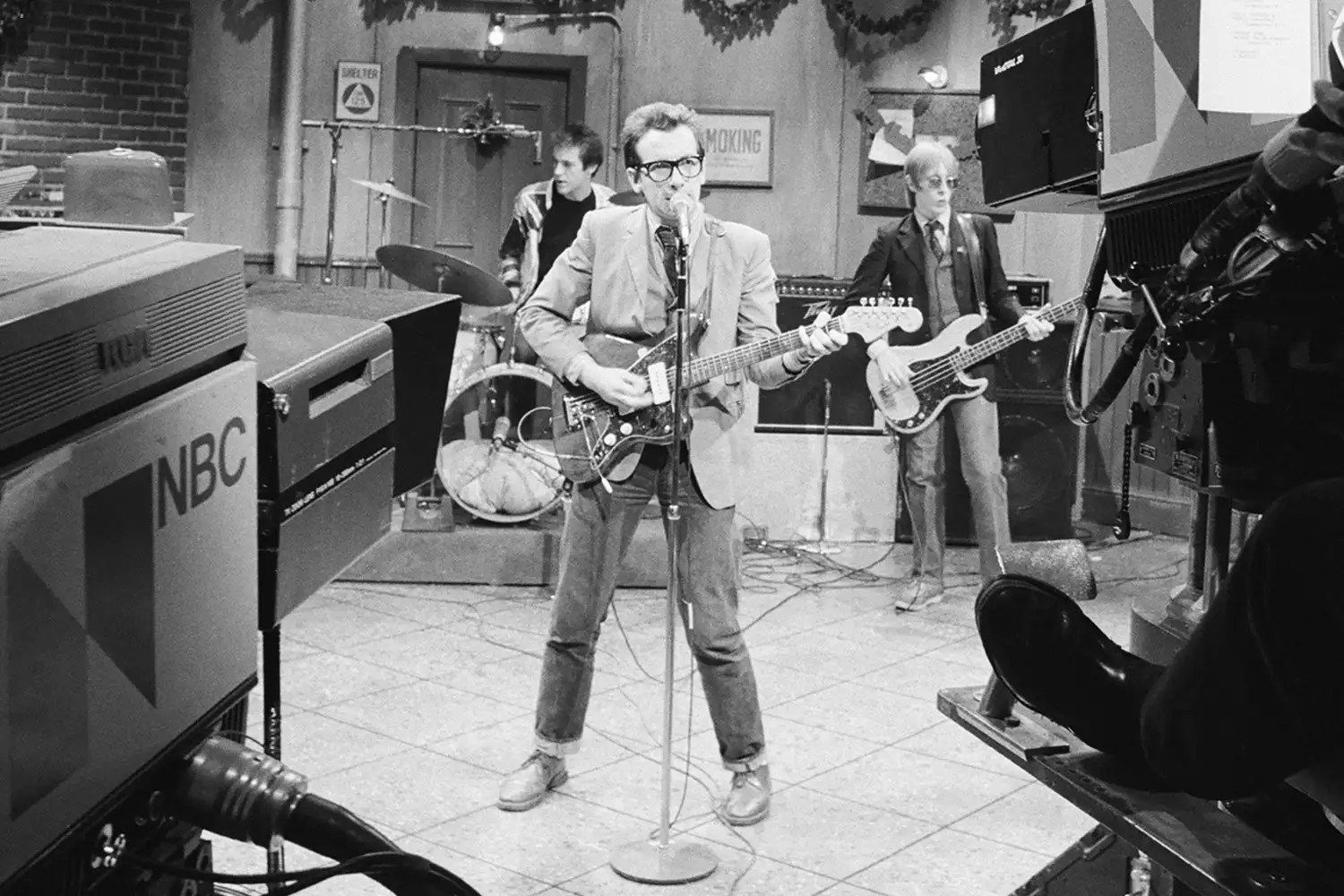
In 1977, when Elvis Costello sang on Saturday Night Live, he changed from his label approved single “Less than Zero” to another song called “Radio, Radio” without telling anybody. It was a song about corporate controlled broadcasting. One of the main lines in the song is I wanna bite the hand that feeds me. Because of this, he wasn’t invited back to the show for 12 years.  I am pretty sure Mr Costello didn’t give a fuck.

I put these two examples up because I think if creativity becomes predictable it loses a lot of its power and magic. In fact, I am not sure it is creative. The act of creativity is supposed to take leaps rather than incremental measured steps. It is supposed to be new. It is supposed to be surprising and often shocking.  A lot of this has to do with how a creative responds to the people and the world around them. This leads me to my other point.

What people can do to the process of creativity.

This is especially true in our business. I often think people think a brief goes into the creative department and we do some scamps. Then we wander up the street and show the client. They pick an idea, and we make it. Now, if that were true why do many projects take a year and sometimes more to make. The simple answer is that there are many people involved. Each person is armed with an opinion and an ego.  Some are helpful and some are not. So, even though the objective might be clear and predictable, human beings are very unpredictable. And therefore, so is the end product.

This unpredictability can manifest in many ways. Here is the bad laundry list. A creative having a tantrum.  Control freaks pretending not to be control freaks. Insecurity that can cause paralysis when it comes to decision making. A smiling corporate psychopath who has their own agenda. Somebody who thinks they understand but really do not. Power games. Second guessing. Group dynamics. Having an ego so big you think only your idea is any good. Trying to look good in front of your boss. And my personal favourite, good old bullying.

Now, none of these things are the idea or the creative. But, believe me, they can and often do affect the work. Good and bad. Just like Jerry Hall did when she didn’t arrive for her sitting. Even that horrible laundry list above can in its own way shape and push the idea. Weird but true.

So, if you look at our business today, there are many that believe that getting to creative answers more efficiently is the answer. I am sure a lot of money will be saved by doing this. But the truth is you have only solved half the problem.

People are the other half of that problem. Strangely though, they are also the solution. Creativity needs them. They are its fuel.

Because without people, there are no mistakes, no bad decisions, inspiring choices, or stumbling adventures.  There is only curation of what already exists. Creativity doesn’t move and isn’t new and it loses its value.

And that means, whatever is in front of you is no longer important.

Call it something else. But don’t call it creativity.

Viva la People.

Advertising.What do you get when snow melts?

Life is travelling to the edge of knowledge, then a leap taken.

D. H. Lawrence

Here is the first moment.

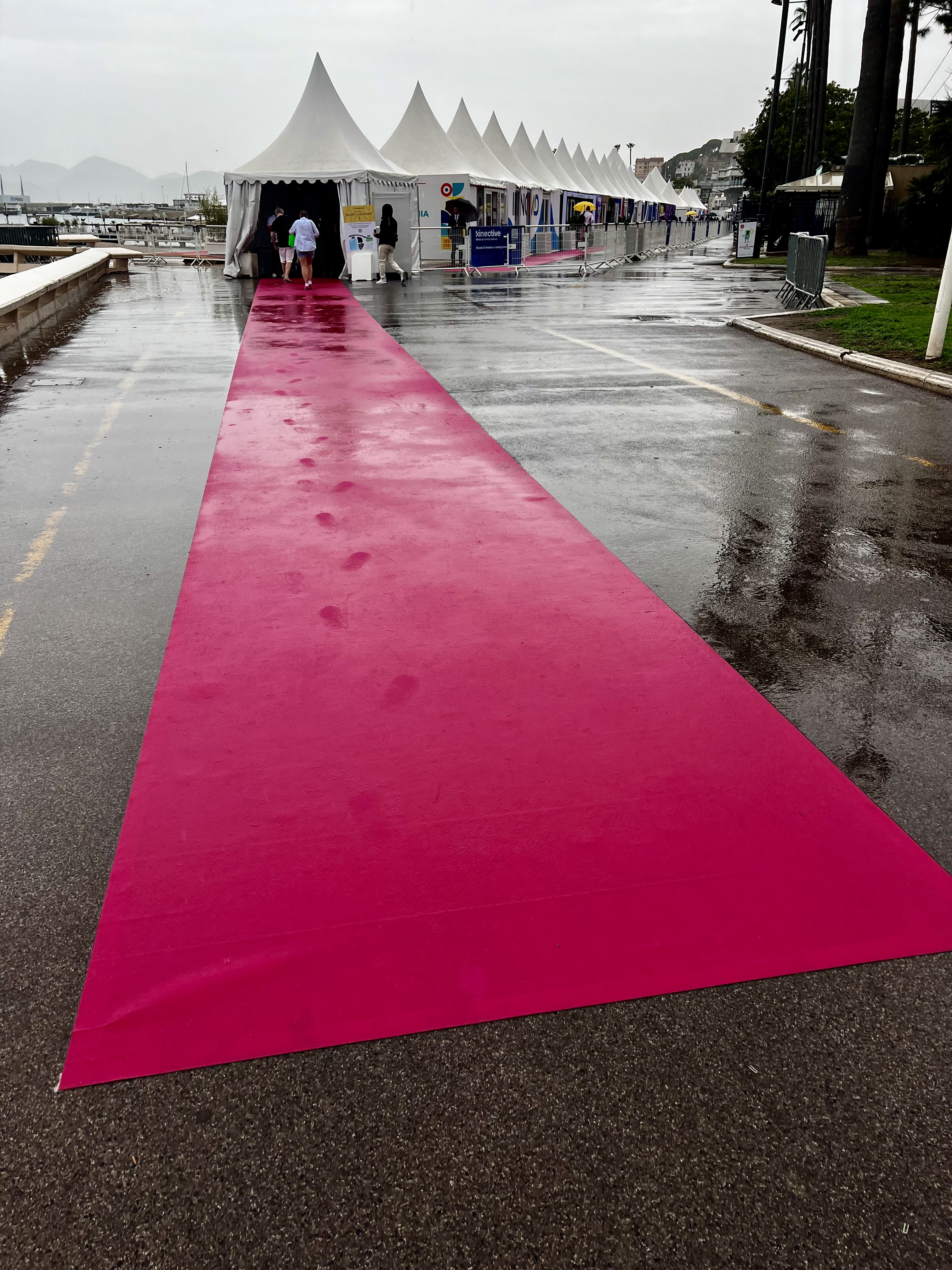
Cannes doesn’t really know what to do when it rains. Nothing really works. The red carpets get soggy, the self tan streaks into the gutters and the ridiculous espadrilles you bought trying to look french (you really don’t) start falling apart. The only people that do well are the men in those little beach front cafes who magically seem to have an endless supply of umbrellas at 15 Euros each.

It was a Wednesday. I had bought an umbrella and felt quite smug as I watched American power joggers getting soaked. I watched as their ears got wet and their very expensive bluetooth earpieces slid and smashed onto the Promenade. You could see the panic in their eyes. What if Chicago calls in the next ten minutes?

As much as I was enjoying this, I had to keep walking. Suddenly, I came face to face with one of my favourite scenes in my 20 years of coming to Cannes. And trust me, I have seen some weird shit. In the pouring rain, I found a man sitting in a steel deck chair. He was in a three piece suite that was soaked. He had no shoes on. In front of him was an empty bottle of Dom Perignon. Next to him, was a set of golf clubs. As I walked past he said good morning in that way you do when trying to appear sober. I started laughing. You just know there was a P.R person freaking out because of what three-piece guy had done last night. And I really would love to know about the golf clubs.

The more I go to Cannes the more I look for moments like these. Authentic and without artifice. We all go to Cannes to be inspired. The brilliant work you see does it. The unbelievable people you can talk and listen to do it. But sometimes, it also the madness of the place. You glimpse or see something in Cannes that gives you fuel or a story. It reminds us we are all part of a weird tribe, but a tribe nonetheless.

Are there a lot of bullshit artists in Cannes that only speak in jargon that you would need an enigma machine to decipher? Yes. Is somebody talking about how advertising is about to die in the next 12 months? Since I started going. Are there people looking over your shoulder as they talk to you to see if there are more important people in the room? Yes. Are we now in a world where measurement has become more important than what is being measured? Potentially. Is there a new formula for foolproof creativity? Every year. Did some work not win that should have? Depends who you ask. Are there a lot of people that are not creatives explaining creativity to creatives? Definitely and late into the night. Is Cannes getting too big? That same question gets asked every year.

The truth is these questions don’t really matter because Cannes is just a mirror of us and our industry. We are looking at us. It shows us where we are at, whether we like it or not. Many have written about this in the last week. So, instead, I thought I would write about the second moment that inspired me.

When you walk through Cannes there are lot of little tents. There are a lot of strange words on them. Words that tend to be made up of two older words. Adtech. Words like precision, engagement and platform.. Sentences that start with the words, the future of. You can see how things are changing. But, for me personally, I was looking for something different this year. A little old school inspiration. Passion and excitement. Words we don’t use as much as we should. I was looking for that feeling you get as a creative the first time you make a leap. You go somewhere beyond where you thought you could. That feeling of holy shit, that’s why I do this. On Friday night, I got it.

Here is my second moment.

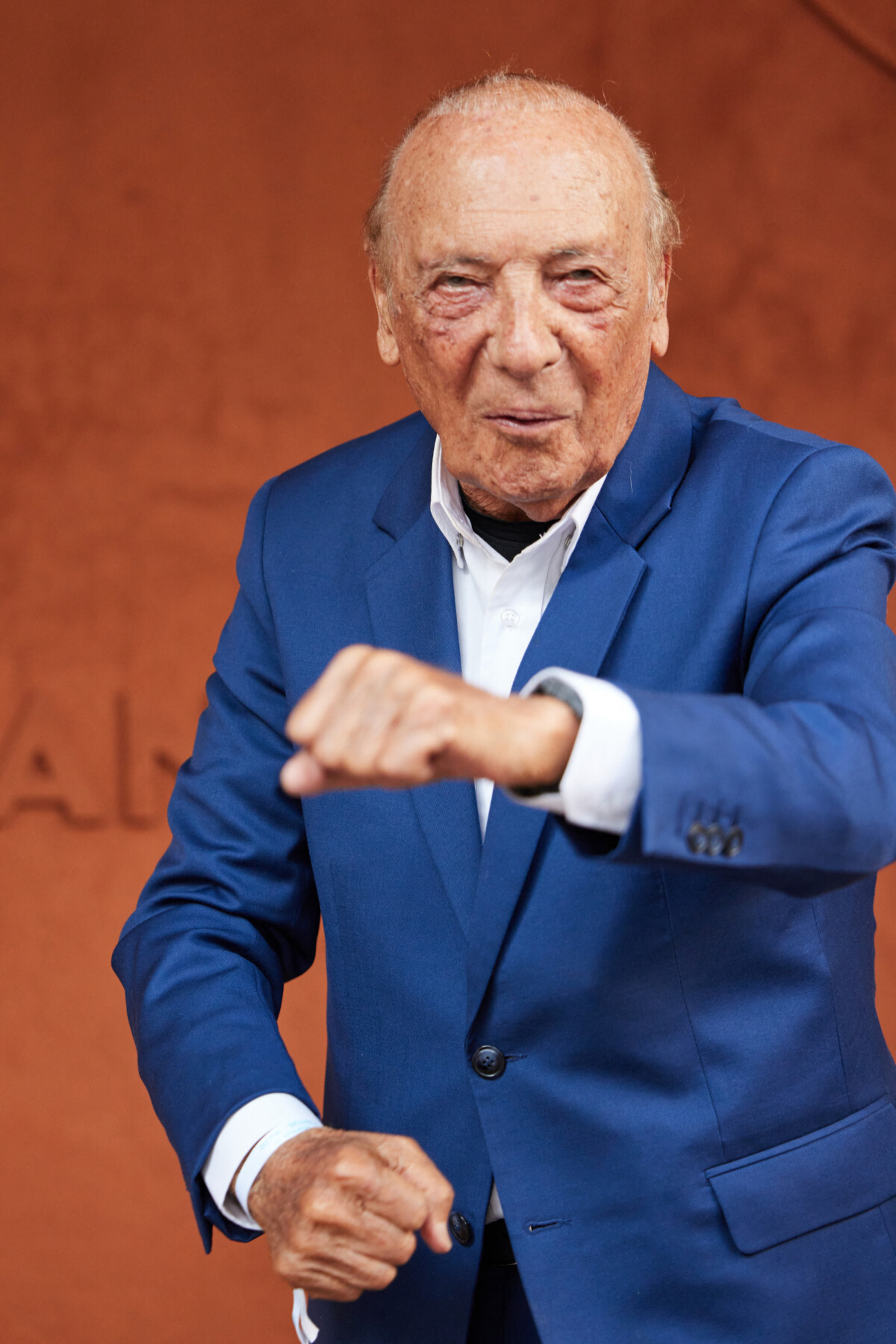
Jacques Seguela is almost 90 years old. But, he has more energy than all the Red Bulls consumed that week in tiny hotel rooms to make early morning meetings. He was winning the Lion of St. Mark. The highest individual accolade you can win in Cannes. He is a French advertising pioneer and the award is well deserved. He danced onto the stage. You could see the joy. He charmed the audience in his perfect french-english. He was inspiration in human form. He was positivity and freedom. Everything about him was saying forget the bullshit, let’s have fun, lets make something great. This is fucking exciting. Show your bloody passion. Jump. Go for it. A feeling advertising should never forget or underestimate.

During his speech he asked the audience a simple question.

What do you get when snow melts?

A few people mumbled water in the audience. A couple shouted it it out more confidently.

Monsieur Seguela looked at the audience defiantly. He shouted no, no, no in the most french way possible.

And then, he gave a very simple, perfect and beautiful answer.

You get spring. Wow, wow, wow. You get spring.

Merci Jacques.

Merci Cannes.

Creativity. The Value of the Painted Word.

“There is only one valuable thing in art: the thing you cannot explain.”

Georges Braque

There is a book that caused a lot of trouble around 1975. It is called The Painted Word. It was written by the famous writer Tom Wolfe. It is a critique of modern art and art critics specifically. He summed up what the book was saying about modern art this way.

“Without a theory to go with it, I can’t see a painting.”

His basic point was that, without words, whether they are an explanation or theory, modern paintings have very little meaning and cannot be enjoyed or understood. You cannot just look at the object itself. You have to understand the thinking behind it first. The value therefore came from the explanation rather than the painting itself. Modern art needs words. This irony obviously upset many in the art world calling Mr Wolfe a philistine and many other uncharitable names. People that were not in the art world thought he had a point.

I bring this up because I think this way of thinking will soon be very important in our business. Advertising’s latest buzz word is curation. To be fair, it comes around every couple of years but I feel this year it is having a stronger showing. What is curation? It is making a choice. It is selecting or choosing a piece of work out of many other pieces of work. Or, in our business picking a route, idea or campaign over another.

Now, in the good old days you might have a couple of directions, go to a few meetings and pick a direction and move forward. However, now, in our brave new world, the potential exists to create hundreds of variations and versions instantly. Thousand of options. So how do you decide? Some might say the modern way is to test and learn. Get a few versions, see how people respond and go from there. Perhaps. But even in this scenario choices will have to be made. There will still be opinions because human beings are involved.

I have always said it is easy to have a hundred ideas, but it is hard to care about one. Or, to put it another way, the more options you have the worse it could get.

When you have an infinite amount of stimuli and creativity it loses a lot of its value because it is not special or rare or interesting. It does not stand out. Therefore, for decisions and choices to be made, value will have to be put back into the equation. Anybody who works in the business knows that at least half the effort and time we all expend goes into getting decisions being made. I once had a two hour global meeting with a very senior client where I had to explain how a rabbit is capable of riding a bicycle. This stressed him out greatly. He thought it was unrealistic The fact the rabbit could talk and was wearing a waistcoat however was fine.

My point is making decisions in this business is a weird business. It is never a straight line. Often an idea happens because somebody had an unnatural amount of belief in it to get it across the line. An inconvenient, irrational truth. And, if we think having more choices and options will help that process, we might be incorrect. More options means more decisions. More decisions means more confusion. So, unless humans are completely removed from the process (which could happen) the issue of quantity not giving you quality will remain. After all, curation is just another word for taste. Another very valuable and underrated quality looking forward.

The truth is, as much as humans pretend to be logical we are not. We will always want an explanation or a story to make a decision. Tell me why. Make me care or feel. These things get you to clarity and give you confidence. And hey presto, curation. It is how you make a needle out of a haystack. Or, as an old client used to say if we started to waffle, cut the crap and tell me why I should do this.

In the future, how you make and explain a decision could become more valuable than the choice itself.

Or, the more ‘creative’ choices you have at your fingertips, the more painted words you will need.

Caveat emptor.

Creativity. Things we shouldn’t lose.

“We don’t stop playing because we grow old, we grow old because we stop playing.”

George Bernard Shaw

Sorry it’s been a while. One thing I have learnt this year is that it is way harder and takes way longer to write a book than you think. But, we are almost done. My book based on ten years of Damonsbrain.com will come out later this year. Anyway, I digress.

While putting the book together I came across this brilliant clip from John Cleese on creativity. Please watch it. Specifically, he talks about what great creatives have that make them succeed. And the answer is not intelligence. It is being able to play.

It is actually vital to come up with new ideas. This might not sound revolutionary. But, in a world where increasingly, creativity is seen as an instant answer rather than a process it is worth thinking about. If you lose the time to play, is it even creativity or just a distant facsimile of it? It made me ask what other qualities or ingredients we should hold onto if we want creativity to have actual value as a game changer.

This is a photograph I took over 25 years ago in a town called Durban in South Africa. It is of a man standing in a doorway of a barber shop having a smoke. It was a fleeting, unexpected moment and I shot about 4 frames but only one shot worked. For me, it represents the two other qualities besides play we should hold onto to create new paths and things. Firstly, direct experience of the world and what is in it. A story, a conversation in an Uber or a glimpse of something out of the corner of your eye gives you a unique perspective. As a creative this is priceless. Often, it is not just what you say but how you say it. The postcard is never the place. Being different can be half the battle. That starts with not being fed answers but going out there and finding them. Your first hand experience will always the best way to do something great because you are the only person in the world who has it.

Lastly, the ability to see what you are not looking for. Or, to put it another way being open to randomness. Going forward, we will be able to create work very, very quickly. We will also spend a lot of time finding exactly what we are looking for. And we will have hundreds of options and lists of what we are looking for. There will be an accuracy and efficiency that will be deeply seductive. What that means is a lot of work will start to look the same. It will be correct but will it be interesting? How will we find what we are not looking for?

Playing is often about putting dumb shit together without any fear of looking stupid. It is how you get somewhere new. And to be clear, creativity’s real value is getting you somewhere new. Being open to randomness and humour is how you get there.

Play, direct experience and being open to randomness are all vital ingredients of the creative process. And of course the problem with these qualities is they need time. Something the world does not have. However, if these qualities are seen as unimportant, creativity just becomes a word that gets used a lot but loses its meaning.

We need to remember that creativity will always be the glitch not the matrix. That is its job. It should be daring. It should be irreverent. It should hate the phrase, that’s how things are done. It shouldn’t fit in. It should laugh at the wrong things. And the right things. And everything else.

We need to remember that creativity is an answer but you get to that answer by not looking for it. You get there by playing.

We also need to remember that creativity is not about finding answers that already exist. It is about finding answers that you didn’t even know could exist.

Finding those answers always begins with replacing fear with fun.

And fun is really something we should never lose.

Be a Geoff and try a little tenderness.

Got on a lucky one. Came in eighteen to one. I’ve got a feeling. This year’s for me and you.

Fairytale of New York

The Pogues

We are on the home stretch. Christmas approaches like a cheerful, glistening tsunami. At one of my old agencies, the creative department used to call it Black December. We were all tired and perhaps a little more cynical than usual after doing a Christmas campaign that had 6000 elements that may or may not have made any sense. Add to that, family commitments and everything else going on, and it can be as bleak as being the only person on the dance floor at your own New Years Eve party.

I mention this because I would like to do a little experiment that may get me thrown out of the secret creative cynical society. Which of course doesn’t exist. Or, does it?

Let me explain. A couple of weeks ago a creative called Geoff Fischer passed away. His passing was noted on Campaign Brief. I didn’t know him but I found myself reading the article and learning about all the cool and interesting things he did in his career. He sounded like a great person but it was all facts. I found myself wondering what he was like. Really like. You know, what was he like on a Tuesday morning in the creative department after learning the agency had lost a big pitch? Then I got to the comments section.

There was one comment that told me everything I needed to know.

“People had Geoff to tell them how great they are. Love and miss that man.”

I instantly knew Geoff. I had never met him, but I knew him. He was the person who picked up the other creatives on a bad Tuesday morning.

He was the person who gave confidence to other creatives. That is a skill that is enormously underestimated. It is one of the main secrets for creative success. Without confidence, it is very hard to put yourself out there. If you have ever had your work bombed and had to re-present the next day, you know what I am talking about.

If you are lucky, in your career, you will have a person like this. Somebody who will tell you that you are fantastic. They will tell you to keep trusting in what you are doing. Somebody who will pick you up and worry about how you are doing more than their own career. In short, they are a creative who cares about other creatives. I certainly have had people like that in my career. I had a director called Oscar – a piano-playing, chess-winning, all-round lovely human – tell me early in my career I could do great things. Nobody had ever said that to me. He has no idea the difference those words made to me. Until now, I guess. Merry Xmas, Oscar.

So, I guess Oscar was my Geoff. If we are lucky, we all know a Geoff. Be that creative. Those words can change a career and banish the doubts. And we all have doubts, right?

So, in honour of somebody I have never met and because it’s almost Christmas, here is my Christmas experiment. Tell somebody you work with that they are great. I know, I know. It goes against the creative code of cynicism. It is something that isn’t done in an agency. We create emotion but try not to show it. Do it. I don’t care how. Hide it in a story or a joke if that makes you feel better. But say it. Be like Geoff. Don’t think it. Say it.

You never know the difference your words could make.

Merry Xmas.

Creativity. Now and then can both be true.

“Fuck the past. This was the present.”

Margie Stiefvater

I was at SxSW in Sydney recently. I saw some great talks and learnt heaps. But, there was a re-occurring conversation. I cannot tell you how many times I ended up speaking about A.I. and what is going to happen. How will advertising change? Will I have a job? I am sure you have had those conversations.

So, since it is almost Xmas (Unfuckingbelievable) I thought I would attempt to offer a bit of hope. What I am about to say is pretty obvious. But it might help. Oh well, better out than in.

At the moment there is a narrative out there that technology will replace creativity. A lot of this is driven by the fear that technology will be used to replace a lot of jobs. This is a real and understandable fear.

However, what this narrative has also done is create this idea that technology and creativity are always seperate things. That technology will replace creativity. That these two things are in a battle.

There is another way to look at this. And I can’t really think of a better example than the new song from The Beatles called Now and Then. Sir Peter Jackson had created a technology during his brilliant Beatles documentary that let you seperate all the layers of a song using machine learning. Technology.

45 years ago, John Lennon had made a beautiful demo tape of a song. Creativity. However, the quality wasn’t great and his vocals were hard to hear. This tape sat in a bottom drawer and was never going to be used. And who doesn’t have a bottom drawer idea that couldn’t be done?

This new technology let the remaining Beatles finish the creativity of the song. Creativity and technology came together to create something neither could have done on its own.

The simple thought of technology and creativity being partners is everywhere. Musicians and sound engineers. A director and a director of photography. Special effects and live action. I could go on. What is strange is we like to put these disciplines into seperate boxes. Which of course is the opposite of what creatives should do. We should always stay open to new stuff. That is almost the first rule of being a creative. We should always be the first to put weird shit together. The truth is creativity and technology will give us a far bigger horizon than if you seperate them.

Just as an example, have a look at what my mate and great creative, Ant Keogh AKA Funkuncle is doing. Check out funkuncle_productions on Instagram. He is exploring what technology can do creatively. And, when you play, fear disappears and a whole new brilliant world of opportunity opens up.

Maybe that’s the word. Opportunity. Instead of threat. Yes, things are going to change. But that’s what creativity is all about right? The new. Nostalgia and creativity are not really great bedfellows. If you are creative you should love change. The truth is in this business we talk about disruption and being the crazy ones all the time. But, has advertising really changed in the last 50 years? And, do you weep for all the typesetters who lost their jobs when photoshop came out?

The opportunity to do more than you ever could shouldn’t be a threat. Taste, subtlety and restraint, context and human experience will still be required. And, I would guess way more than before. Because there is also a whole lot of mediocre shit that is about to be made. If there is one thing I know, it is that just because you have the tool it doesn’t mean you know how to use it. You need technology and creativity.

It is how we will make sense of now and then.

Creativity. All a Monet really needs is Taylor Swift.

“Price is what you pay. Value is what you get.”

Warren Buffet

Let’s do a little thought experiment.

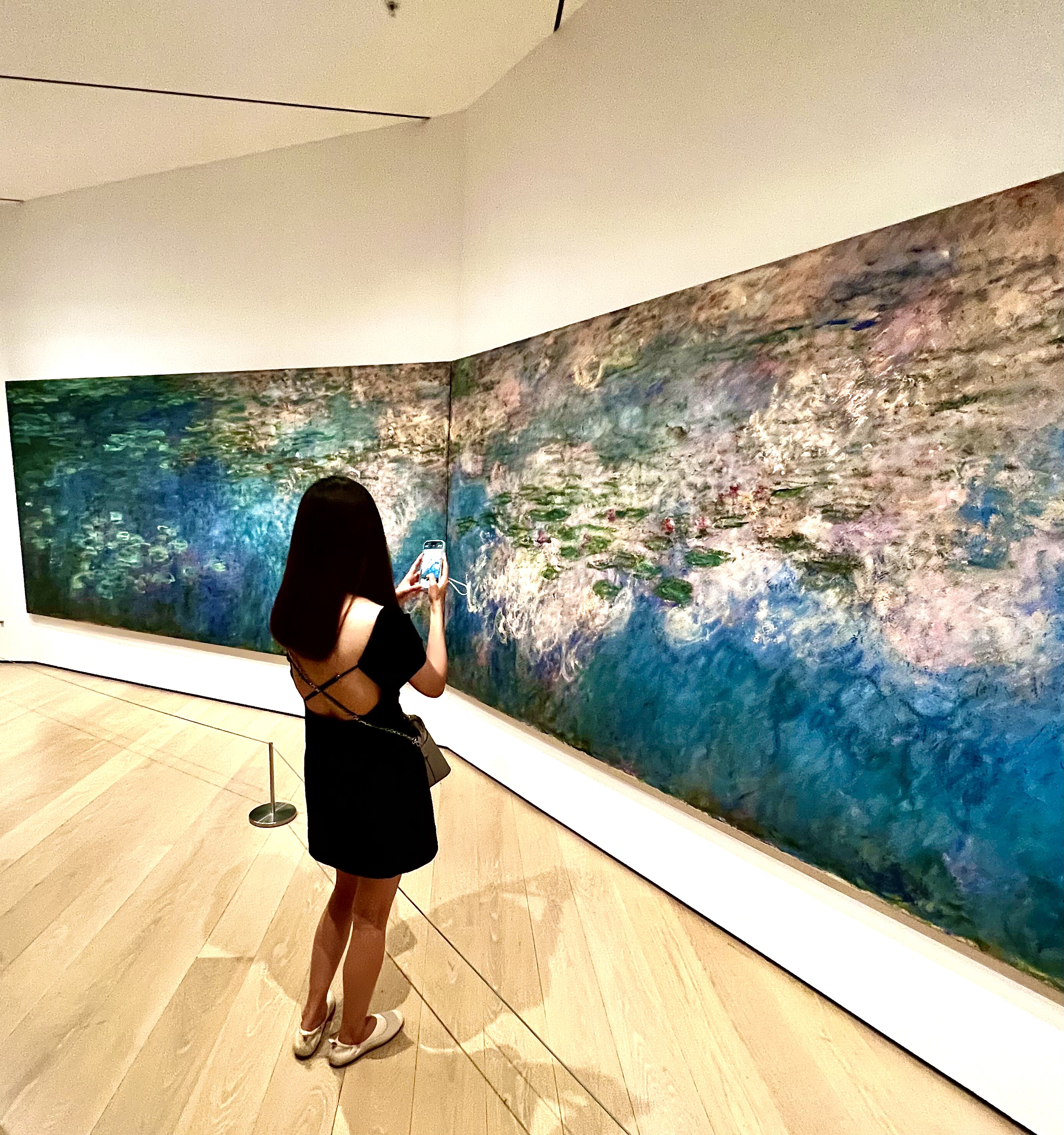
I want you to imagine it’s somewhere around 1926. You are standing in Claude Monet’s studio in Giverny. It is a beautiful room. Full of colour and the sun. The old master will pass away that year. He gets his assistants to bring out a giant painting of water lilies he has painted. They float beautifully in the pond of his magnificent garden. He then gets the assistants to bring out the other 249 paintings he has painted of the same pond. He had painted this one little patch of water for 3 decades. Day and night. Summer and winter. Year after year. You are standing in front of his life’s work. I am sure it would be an experience beyond words. The last one sold in 2018 for almost 85 million dollars.

The interesting question is why? Why does something that has been painted 250 times have that much value? Compared to many other masterpieces it is not that rare. If I got one of his paintings and used A.I to create 250 options that you couldn’t tell from the originals, would you pay 85 million dollars for one? Now, I know you are going to say no. And neither would I. I am sure you would say because it’s not real. But, if we think about that answer for a second, it does bring up some interesting questions. In a brave new world, what is real? What will make something valuable?

If value is not only about rarity then, perhaps it is about something else. The experience you have? This becomes an important question. Because, when you can make 1 million Monet’s per day they are no longer valuable. They just become information again. There is no narrative, no context or any meaning. And there is no experience. A Monet and a business card become the same thing.

We have seen this for a while with music. In the past, the album was everything. In the beginning, you would wait in line with your community, devour the cliff notes and try to decode and obsess over the cover artwork. These were the lovely extra bits that didn’t let you just own a song, they ensured the song fucking belonged to you. This was how you experienced music. Then music went online and albums kind of fell by the wayside. You could now stream a billion songs to billions of people. It seemed like a good idea at the time. But, the specialness seemed to go backstage.Your song was on a list with other songs and bands that are sort of similar. You were part of a bigger package. The list had become more important than the song. The information had lost its specialness. I am sure there were many sweaty, unhappy band meetings about standing out. The simple solution was to do the one thing that cannot be replicated. Live performances. So, just to be clear, the bands that could, took what was becoming un-special information and turned it into an experience again. And hey presto, value appears.

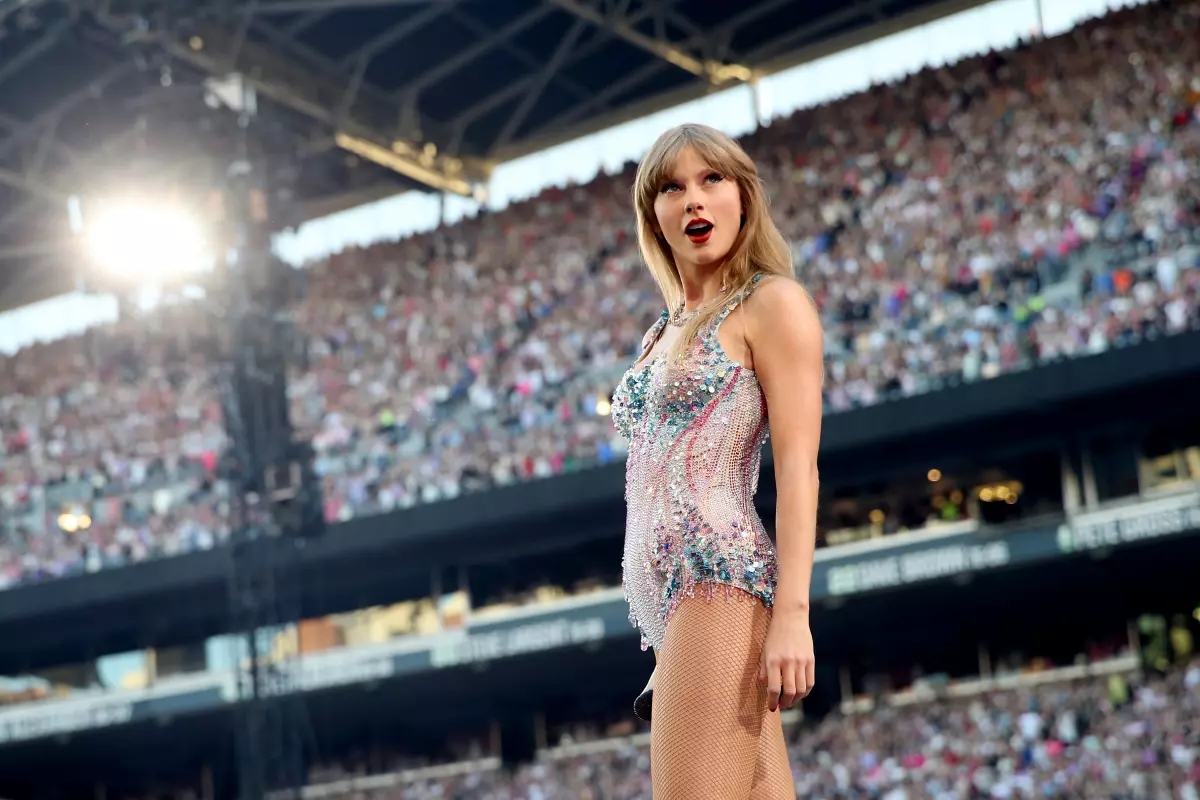
Which brings me neatly to Taylor Swift. Now, there is a sentence I never thought I would write. Her latest tour has made a billion dollars. Each show brings in 13 million dollars. There are 131 shows. But the touring is not the secret. The secret is how she has brought the specialness back for her fans. And she has done it by going back to the beginning of music but with modern tools. She creates albums. Her fans truly belong to a community and have stories to tell. They get secret information and special access. These are all ingredients that have been around since The Beatles. But, Taylor Swift also has 273 million fans on Instagram that build this story with her. She understands that nothing is going to help you more than amplifying those ingredients to create a human experience. It would seem having a song or touring is just permission to play. These days you need to do a lot more.

Don’t just take my word for it. Have a read of this paragraph by Alex Suskind for Entertainment Weekly.

Over the past 13 years, Swift has perfected the pop culture feedback loop: She shares updates about her life and drops hints about new music, which fans then gobble up and re-promote with their own theories, which Swift then re-shares on her Tumblr or incorporates into future clues. It’s like a T-Swift-built Escher staircase of personal memories and moments that tease what’s next. “I’ve trained them to be that way,” she says of her fans’ astute detective work. Swift is a pop culture fanatic herself and has an innate understanding of the lengths her audience will go to be a part of the original creation. “I love that they like the cryptic hint-dropping. Because as long as they like it, I’ll keep doing it. It’s fun. It feels mischievous and playful.”Through this approach, Swift has designed the ultimate artistic scavenger hunt — and it’s easy to get swept up in its drama, even if you don’t listen to her music.

Warren Buffet’s quote will become even more important in the creative world over the next couple of years. Right now, we are so excited that we can generate lots of stuff, we might be forgetting something important. The human being who has to look at it. And human beings are driven by how things make them feel. As illogical as it may seem, meaning will always be why something is valuable. Because, that’s how a song or a painting belongs to you.

That is what creates a human experience. It feels unique. It feels like it can’t be replicated. It feels like it is yours alone. From a brilliant football match that could have gone either way to a perfect meal with friends at a restaurant that blew your mind, this is what makes life worth living. That’s what makes it special. And, in a world where we can make a lot of stuff very quickly, this feeling, will become increasingly valuable.

Otherwise, it is just information.

And you can get that pretty much anywhere these days.

Creativity. What will the wrong answers be worth tomorrow?

“If you’re not prepared to be wrong, you’ll never come up with anything original.”

Sir Ken Robinson

Many years ago, BBH the great London agency had a black sheep as their logo. Their line was: when the world zigs, zag.

In short, how do you not be like everybody else. Creativity in advertising is all about being noticed. And a large part of that is not being like everybody else. One of my favourite quotes of all time comes from Picasso. Ah, good taste! What a dreadful thing! Taste is the enemy of creativeness.

Creativity should always be wary of consensus. Creativity should always be wary of best practice. Creativity should be wary of the phrase, that’s how things are done. None of those things really get you anywhere new. Let’s be clear, creativity is supposed to be the glitch not the matrix. The matrix is about what is. The glitch is how you go somewhere new.

So, to bolster my argument I thought I would give you two examples. One is about obsession and the other, humour. I think these qualities, which are really about discernment, will become very important in a world where the correct answer will be why many things look like other things.

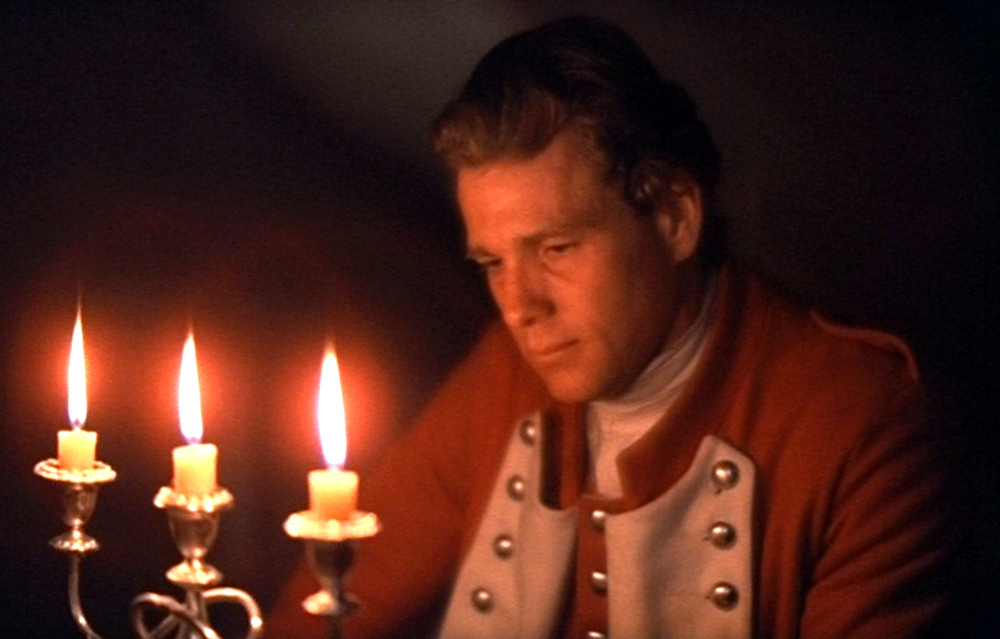
It is very hard to light a film using candlelight. Actually, in the 70s it was almost impossible. But it was done in Stanley Kubrick’s Barry Lyndon. He realised that to make the film look like life in the 1750s there would have been no electric light. Only candles. So, that is madness right? It sounds like a bad idea with millions of dollars at stake. I am sure there were many who thought it wouldn’t work.

Well, Kubrick didn’t think so. He had a singular vision. He wasn’t looking for consensus or best practice. So, how did he do it? He obtained three super-fast lenses developed by Zeiss for use by NASA in the Apollo moon landings. With these lenses that were made for the moon and some other technical innovations he pulled it off. John Alcott the cinematographer would win an Oscar for his work. The obsession of Kubrick to do this created something new. What the 1750s actually looked like on film. Think how many period piece films had been shot before this. Nobody had asked the question. And nobody was obsessed enough to find an answer. An answer nobody was looking for.

Imagine, I pitch you an idea for a television show. The main person is a loser in almost every way. He is also unlikeable and continually stressed out. His wife thinks he is an idiot. The business he runs is terrible because he doesn’t know what he is doing. The staff he works with are incompetent and he treats them like shit. In each episode, something happens that is going to be a catastrophe. I would imagine many would not buy this show. There would be too many negatives. I would imagine there would be conversations about making the main character more likeable. By the way, the show is called Fawlty Towers.

This is why humour has always been important. It tells the truth to humans. A truth you see in yourself. Which is where humour comes from. And, it can look at the most mundane subjects and transform them into brilliance. To find truth and transformation in the same place is very rare. Humour doesn’t look for consensus or best practice. It looks for mistakes, flaws and what it means to be human. Our business moved away from humour for a long time. It needs to move back. It needs to zag.

The reality is, in the future, being the same as everybody else will be incredibly easy. And many will do it.

Which is why being different will become far more valuable.

And being different always begins with making the ‘wrong’ choices.

Thanks Sugar Man.

“Don’t sit and wait. Don’t sit and dream. Put on a smile. Go find a scene.”

Sixto Rodriguez

This is a small personal tribute to somebody who changed how I look at the world. I don’t understand how he did it. But that’s magic for you. I am just glad he did.

Durban is kind of like the third city in South Africa. I think every country has that city. Humid and happy. The small bands would play there. But, the big ones wouldn’t. The kind of city where you cannot be a celebrity and if you are an influencer you are definitely a micro influencer. Don’t get me wrong, it was a great place to grow up. But, boy, it felt a long way from anywhere. Actually, I wasn’t sure anywhere even existed. I loved the place but I had a feeling that it gave me small dreams. Dreams that didn’t get you beyond the end of your street. We used to ride our bikes on our street. We used to play cricket on our street. We used to do nothing on our street. The world ended at the end of our street.

Then one day the slightly older, definitely cooler neighbours were working on their car. A song started to play on their sound system. Decades later the moment is still perfectly clear in my mind. Sugar Man started to play. Instantly, I understood. There was a whole fucking world out there. And I would have to go and find it.

I asked the singers name. The neighbour in rugby shorts tells me the singers name is Rodriguez. His friend in rugby shorts tells me he is dead. He tells me Rodriguez had set himself on fire. They nod knowingly. So, I nod. But, I don’t know why I am nodding.

About 15 years later, I was in a small club called the Blues Room in Johannesburg. My girlfriend’s dad worked in the music industry. He told us to come down to watch an act. But, he didn’t tell us who it was. Now, everybody in South Africa really did think Rodriguez was dead. The other rumour was he had shot himself on stage. So, we are sitting there and this man walks on stage. Very unassuming. Very quiet. He starts singing. A few of us think, wow, what a great impersonator. But, it is not an impersonator. Slowly, it dawns on us. It’s really fucking him. It’s fucking him. It was like seeing Elvis a year after his death. It was insane. Maybe 60 of us watching in total disbelief. It would turn out that this was a warm up gig before the big one you see in the documentary ‘Searching For Sugar Man’. If you haven’t seen it, please watch it. It is a fantastic documentary and this blog will make a lot more sense.

In your life, there are a couple of moments that give you a magical, inspirational shit eating grin you can’t wipe off your face. That night was one of them. Art, and especially music, has the ability to make you feel everything is possible and you are in exactly the right place in the universe. That is about as good as it gets.

If I am honest, I am not sure why I have written this. Maybe, it’s just that I wanted to share something special. Maybe, everything doesn’t have to make sense. Or, I just am grateful that Rodriguez got me to realise the world didn’t end at the end of my street. I guess, I just wanted to say thanks Sugar Man. I don’t know what you did for me.

But, you did a lot.

Creativity. And now for something completely unexpected.

“We don’t see the things as they are, we see them as we are.”

Anais Nin

I hope this post makes you remember the first time you had an idea. Come on now, don’t roll your eyes yet.

Creatives are odd in quite a few ways. But, perhaps the strangest is how they search for new ways of doing things. This process is obviously scary and full of insecurity which is why we tend to be cynical bastards. But we are not really are we? I prefer to call it dark charisma anyway.

On top of all this, we are looking for a signal that our thinking will definitely work. It’s like looking for a map while on the journey. So, it is perhaps understandable we seek a little shelter or security from the insanity of this process. This alchemy has a name.

Inspiration.

It is a word that gets used way too much. It doesn’t happen very often. That’s why I am so fond of this quote by Chuck Close:

“Inspiration is for amateurs, the rest of us just show up and get to work.”

But the truth is it does happen sometimes. So, what is it?

For me, inspiration is when you have absolute clarity about an idea and you know how to do it. Also, you completely know that it’s right. And, it happens instantly. It is also effortless. No work was required. And in hindsight it seemed obvious. I would guess, in a creatives career, it might happen a couple of times. You often hear musicians saying they wrote a big hit song in ten minutes. They say it was like it was already done and they just managed to hear it.

It is a very mysterious, mystical thing and I wish I understood how it happened. Unfortunately, I don’t. But I have found a clue.

Recently, I was in New York. We were walking about 20 000 sweltering steps a day. New York forces you to get out of your life. The denseness of every city block commands you to look and look again. It gives you new eyes. They see with innocence and clarity. You look at the world like a kid again. You see the possibility of everything.

This brings me to the photo above that I snapped with my iPhone. I was in Washington Park, in Greenwich, with my son Jake. The smell of weed filled the air. It was a beautiful warm evening. We noticed all these guys doing tricks and became fascinated with them. I lost an hour watching them. But, to all the New Yorkers, they were invisible. They walked straight past. In fact, a really great creative put this in on my FB page under the photo.

“It’s fun to see things that captivate you in NYC. When u live here u don’t even notice these things anymore.”

He is completely right. Inspiration doesn’t go anywhere. You just stop seeing it. You see the world as you are. The familiar becomes invisible. If you go to a house in Johannesburg, South Africa for the first time you will notice they all have electric fences. Thousands of them. But if you live there, they are normal. You don’t see them anymore.

It is such a rare and precious gift to see something for the first time. It reminded me that in a world where we want absolute certainty and things that are guaranteed to work, it is still the new, the surprising and the unexpected that push you towards the door of inspiration.

I guess, what I am saying is do yourself a favour.

Take a different way to work tomorrow.